Everyday independence can mean taking a bigger role in a task, choosing how it is done or having useful assistance with one part of a routine. Start with your own goal and use the questions in this guide to explore the support you want.
Independence does not have to mean doing everything alone. It can mean having more say in how a task is done, choosing when you want help or practising a part of a routine at your own pace.
Everyday independence begins with one goal
Start with something specific. Instead of a broad goal such as making home life easier, think about one routine you would like to change. It might involve organising your day or planning a household task.
A smaller starting point gives you something clear to discuss with the person supporting you.
Explain the role you want to take
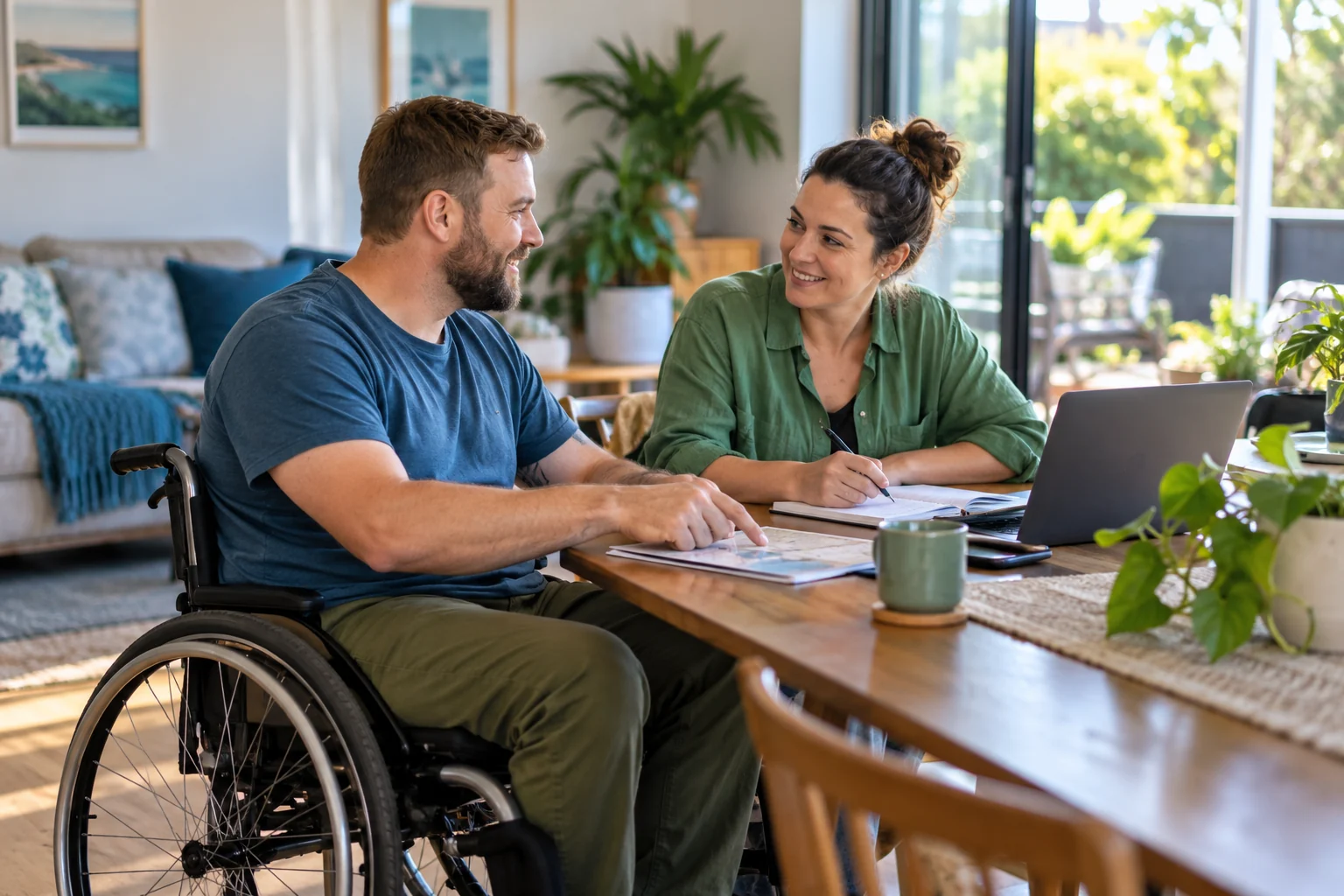
Let your support worker know which parts you want to do yourself and where you would like assistance. You might prefer someone to explain a step, work alongside you or help with one part of a task.
Your preferred approach can change from day to day. A conversation about this helps avoid assumptions about what help you want.
Make a simple plan
- Choose the task and a time that suits you.
- Discuss any assistance or equipment you already use.
- Agree on how you want to communicate during the task.
- Decide when to pause or try a different approach.
This is a planning prompt, not an instruction to attempt a task beyond your abilities. Follow any individual guidance already in place for your support.
Review what worked
After trying the routine, think about what felt easier and what still needs attention. A useful change may be a different time, fewer steps or clearer instructions. Progress can include understanding your preferences better.
Discuss the support arrangements
The NDIA identifies assistance with daily life as a support category. Your own plan determines the funding available to you. Check the assistance, costs and payment arrangements before beginning.
Holistic Health Support offers daily living assistance and in-home care. Contact us to discuss the routines you want help with and current availability.
Everyday independence: common questions
What does everyday independence look like in practice?
It can involve doing a task yourself, taking a larger role alongside someone or choosing how assistance is offered. Your starting point and preferences matter. Identify an ordinary routine where a useful change would make a difference, then explain the role you want to take.
How do I turn a broad goal into a conversation?
Choose one task and describe the parts you already manage, the parts that are difficult and where help would be welcome. Give an example of a typical day. Specific information is easier to discuss than a general request to become more independent.
Can I review the way assistance is working?
Discuss how you would like to raise questions or request a change before beginning. Keep notes about what helps and what you would prefer to do differently. Use those examples in a review conversation rather than assuming an arrangement must always stay the same.
Official resource
NDIA: Guide to NDIS support budgets ↗Resource checked 10 October 2026. Refer to the NDIA for current information about your plan.
Build on what you can already do
Independence can mean doing more yourself, choosing how a task is done, or having reliable help with one part of a routine. Holistic Health Support offers daily living assistance and in-home care that you can explore around your own definition of progress. The starting point is your goal, not a comparison with someone else.
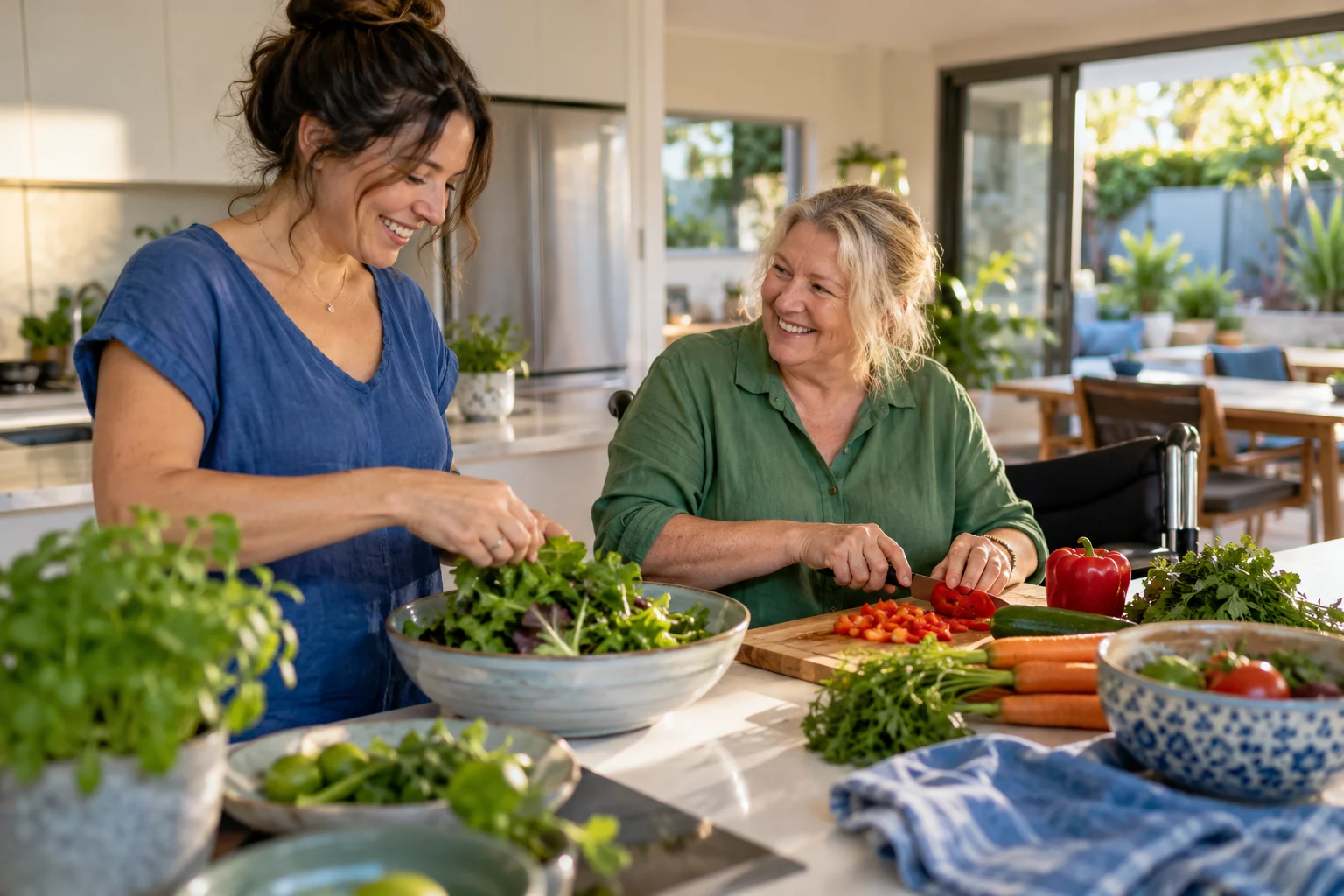
Choose one everyday task that would make a difference. You might want to take a bigger role in preparing lunch, organise the week ahead, or feel more comfortable with a household routine. Explain the parts you enjoy, the parts that are difficult and the help you would welcome. Small, practical steps can make a support conversation more specific.
Our whole-person approach means your preferences belong in that conversation. We can discuss how support could respect the routines you already have and the level of involvement you want. If personal routines are also a priority, explore personal care support; if getting out is part of your goal, read about community participation.
You do not need a finished plan before contacting us. talk with our team about one task or goal, or make a referral with the details you are comfortable sharing. We will discuss needs and availability and help clarify what the next conversation should cover. Outcomes depend on your circumstances and the arrangements agreed with you.
Bring these points to your conversation
- Choose one meaningful everyday goal.
- Identify what you already do comfortably.
- Explain the assistance you would welcome.
- Decide how you want to review the arrangement.
For independent guidance, visit NDIS guidance on finding and choosing a provider ↗. You can also explore our introduction to the NDIS.